Aluminum Sulfate For Pigment
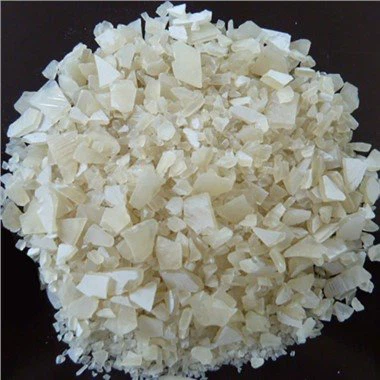
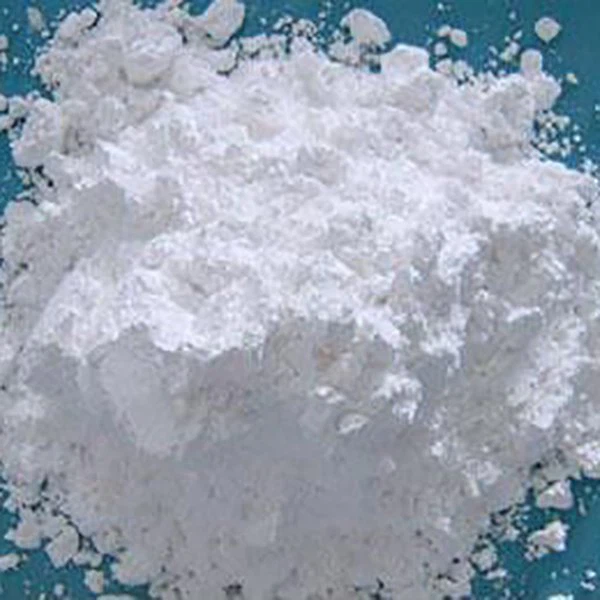
It usually exists in the form of crystalline hydrates and has a white appearance. Stable in the air, prone to moisture absorption and clumping when left in the air for a long time, soluble in water. The aqueous solution is acidic, soluble in acids and bases, and insoluble in alcohols. Pigments can be made as precipitants and color fixing fillers.
Description
Company Advantage
Strict Quality Management
Our company strictly implements ISO9002 quality management standards and has established a complete quality management system to ensure the long-term stability of product quality.
Efficient Service
Our production is efficient and reliable, so we deliver on time and within delivery deadlines. At the same time, our team is always happy to help customers and strive to solve customer problems in a short time.
Competitive Price
We have long-term services in wholesale alumina, high-temperature alumina, and other products, and have established long-term and stable cooperative relationships with many retailers and agents to provide our customers with reasonably priced products.
OEM Available
Our employee team has high R&D capabilities, superb design and development capabilities, skilled manufacturing technology, and rich product application experience, and can also meet OEM business needs.throughout the entire industry chain.
What is Aluminum Sulfate For Pigment
Our Aluminum Sulfate for Pigment is an aluminum salt with immune adjuvant activity. It is composed of two kinds of aluminum and three kinds of sulfate through ionic bonding, and can be synthesized from alum schist, clay or bauxite or low-temperature materials. When used, it can adsorb and precipitate the protein antigen in the solution, and improve the immunogenicity of the vaccine by promoting the formation of the vaccine bank at the vaccination site and slowly releasing the antigen. At the same time, it is widely used in water purification, pH regulation of garden soil and other commercial or industrial applications, as well as in the manufacture of food, cosmetics and water treatment.


Benefits of Aluminum Sulfate For Pigment
Environmental Impact
A Sustainable Choice: Aluminum Sulphate for pigment is considered a sustainable choice for several reasons. Firstly, it is derived from abundant and naturally occurring minerals. Additionally, it has a low toxicity profile when used in recommended concentrations. Unlike some alternative chemicals, aluminum Sulphate poses minimal risk to aquatic ecosystems when used in water treatment applications. Furthermore, it can be effectively removed during wastewater treatment processes, reducing its environmental footprint.
Cost-effectiveness and Efficiency
Aluminum Sulphate for pigment offers a cost-effective solution for various industries. Its availability in bulk quantities and straightforward production process contribute to its affordability. Moreover, its high solubility in water ensures that it can be efficiently dispersed for applications like water treatment and soil amendment. This means that lower quantities are required to achieve the desired effect, leading to cost savings for businesses and municipalities.
Compatibility with Other Chemicals
Aluminum Sulphate for pigment exhibits compatibility with a range of other chemicals commonly used in industrial processes. This characteristic allows it to be easily integrated into existing treatment systems and processes without causing adverse reactions or interference. Its versatility in combination with other substances makes it a versatile choice for a variety of applications, from water treatment to industrial processes like paper manufacturing.
Production of Aluminium Sulfate For Pigment
From alum schists
The alum is a mixture of iron pyrite, aluminium silicate and various bituminous substances. These are found in upper Bavaria, Bohemia, Belgium, and Scotland. These are roasted or exposed to the action of the air. In the roasting process, sulfuric acid is formed. It acts on the clay to form Aluminium Sulfate a similar condition of affairs being produced during weathering action of the air. Later, extracted with water and a solution of Aluminium Sulfate of specific gravity 1.16. This solution is allowed to stand for some time and is then evaporated until iron (II) sulphate crystallizes on cooling. It is then drawn off and evaporated until it attains a specific gravity of 1.40 and decanted from any sediment.
From clays or bauxite
From clays or bauxite, the material is calcined and then mixed with sulfuric acid and water. Then it is heated gradually to boiling. If concentrated acid is in use then no external heat is required as the formation of Aluminium Sulfate is exothermic. Later, it is allowed to stand for some time and then the clear solution is drawn off.
From cryolite
When cryolite is in use as ore, it is mixed with calcium carbonate and heated and sodium aluminate is formed. Sodium aluminate is then extracted with water and precipitated by sodium bicarbonate or by passing a current of carbon dioxide through the solution. The precipitate is then dissolved in sulfuric acid.
Water Treatment
One of the most common uses for aluminum sulfate for pigment is in water treatment. It's used to treat water for drinking, swimming, and fishing. It can also be used to treat wastewater and sewage.Aluminum sulfate is effective in treating water as a coagulating agent because it helps to clarify the water by binding to particles and impurities. This makes it easier to remove them from the water.
Agriculture
Aluminum sulfate for pigment is also used in agriculture. It's added to soil to make it more acidic. This is beneficial for plants that prefer acidic conditions, such as blueberries, potatoes, and roses. Additionally, aluminum sulfate prevents moss growth on roofs, sidewalks, and trees.
Textile Manufacturing
Aluminum sulfate for pigment is also used in textile manufacturing. It's added to the fabric, especially canvas or denim, to make it stiffer.
Paper Production
Aluminum sulfate for pigment is also used in paper production. It's added to paper pulp before it's made into paper to help improve the quality of the paper and make it whiter.
Firefighting
Another interesting use for aluminum sulfate for pigment is in firefighting. It's added to fire extinguishers because it helps to smother fires.

Aluminum sulfate exists as white, lustrous crystals, granules, or powder. In nature, it exists as the mineral alunogenite. Aluminium sulfate is sometimes called alum or papermaker's alum, however, the name "alum" is more commonly and properly used for any double sulfate salt with the generic formula XAl(SO4)2·12H2O, where X is a monovalent cation such as potassium or ammonium (5). Aluminum sulfate has an action similar to that of alum but is more stringent (2). Aluminum sulfate is an aluminum salt composed of aluminum, sulfur, and oxygen, three plentiful elements. Its molecular formula is Al2(SO4)3 or Al2S3O12 or Al2O12S3.
The Aluminum Sulfate for Pigment can be used as a pigment dispersant, which helps to decompose or disperse the pigment particles in the coating or coating, so that it can be mixed evenly with the adhesive, and ensure that the coating or paint has uniform color and luster. At the same time, it can help maintain the color of the paint and reduce the fading effect caused by exposure to sunlight or other factors. Finally, it is an effective pH regulator, which can adjust the pH value of paint and coating to make it more suitable for the applied substrate.

First Metho
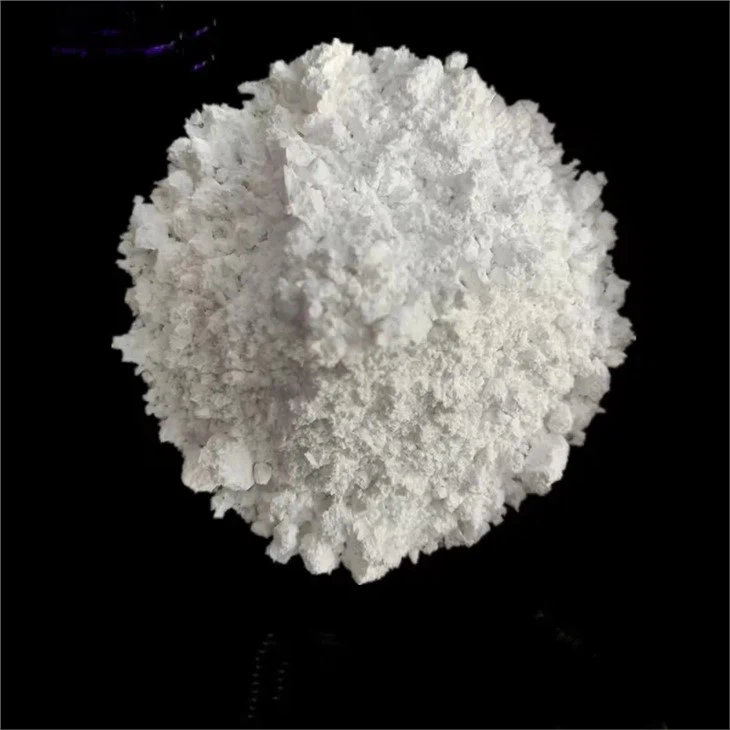
In the first method, this material can be obtained by reaction of sulfuric acid with waste materials of aluminum factories. The product of this process is a gray powder that contains a percentage of white alum with a relatively large number of impurities, in some industries such as zinc or carbon manufacturing industries that do not require high purity of this material, we can use this material without purification.
Second Metho
In the second method, which is more common, water-diluted sulfuric acid is reacted with its hydroxide or its soil to produce this non-flammable material. This method usually has a high production speed and consumes less hydroxide, which is much more economical and it is also better than the first method in terms of quality.
Storage environment
Precautions for storage and handling of aluminum sulfate for pigments (Figure 2)
Aluminum sulfate should be stored in a dry, well-ventilated warehouse or storage room. Prolonged exposure to sunlight or high temperature is prohibited. Obvious warning signs should be set up in the storage area to prevent others from entering accidentally.
Packaging and labeling
The packaging of aluminum sulfate for pigments should comply with relevant national regulations to prevent packaging damage or leakage. The name of the item, hazardous nature, manufacturer, production date, expiration date and other information should be marked on the outside of the package.
Fire prevention measures
Aluminum sulfate for pigments is flammable and should be stored away from fire sources. At the same time, fire extinguishing equipment and emergency treatment items should be provided in the storage area to facilitate rapid treatment in the event of a fire.
Wear protective equipment
When handling aluminum sulfate, workers should wear protective gloves, glasses, masks and other safety equipment to avoid direct contact with aluminum sulfate, which may cause damage to the human body.
Pay attention to operating temperature
The operating temperature of aluminum sulfate for pigments should generally not exceed 50°C. Excessive temperature may cause aluminum sulfate to decompose and cause dangerous accidents.
Avoid contact with moisture
Aluminum sulfate can react violently with water, so contact with water should be avoided as much as possible during operation. If it accidentally comes into contact with water, emergency measures should be taken immediately, such as using desiccant to absorb moisture or removing aluminum sulfate from the water.
Prevent pollution
During the operation of aluminum sulfate for pigments, contamination with other substances should be avoided. If necessary, special tools and equipment should be used to prevent cross-infection and chemical reactions.
Dealing with leaks
During the operation of aluminum sulfate for pigments, if leakage occurs, emergency measures should be taken immediately, such as blocking the source of the leak with plugging materials, cutting off the power supply and ventilation equipment, and cleaning up the leakage to avoid causing harm to the environment and human body. harm.
No mixing allowed
Aluminum sulfate for pigments should not be mixed with other chemicals, such as acids, alkalis, organic substances, etc., otherwise it will easily cause chemical reactions and cause harm to the human body and the environment.
Zibo Yishengjia Aluminum Co., Ltd. is mainly engaged in the production of alumina series products. The company has strong technical force, advanced technology, excellent equipment and complete testing equipment. Specializing in the production of special aluminum hydroxide, calcined а - alumina, high-purity alumina, activated alumina. Products are widely used in insulation materials, heat shrinkable materials, polishing materials, color glaze, light-emitting materials, electronic ceramics, transparent ceramics, building materials, refractories, chemical drying adsorption and other industries. Long term wholesale alumina, high temperature alumina products, enjoy a high position among consumers, the company has established a long-term stable cooperative relationship with a number of retailers and agents. Since its establishment, the company has been in line with the enterprise tenet of "market-oriented, quality for survival, product for development, management for efficiency" and the business philosophy of "small wins rely on wisdom, big wins rely on morality" to be human, work and seek development.



FAQ
Hot Tags: aluminum sulfate for pigment, China aluminum sulfate for pigment manufacturers, suppliers, factory, fine powder aluminium sulfate, aluminium sulfate for import, aluminium sulfate for ink additive, aqueous aluminum sulfate, harmless aluminium sulfate, aluminium sulfate for glass manufacturing