

How is Aluminum Hydroxide administered in medical treatment?
Jan 22, 2026
Aluminum hydroxide, a compound with a wide range of medical applications, has been a cornerstone in treating various health conditions for decades. As a reliable supplier of high - quality aluminum hydroxide products, I am well - versed in its properties, uses, and the different ways it is administered in medical treatment.
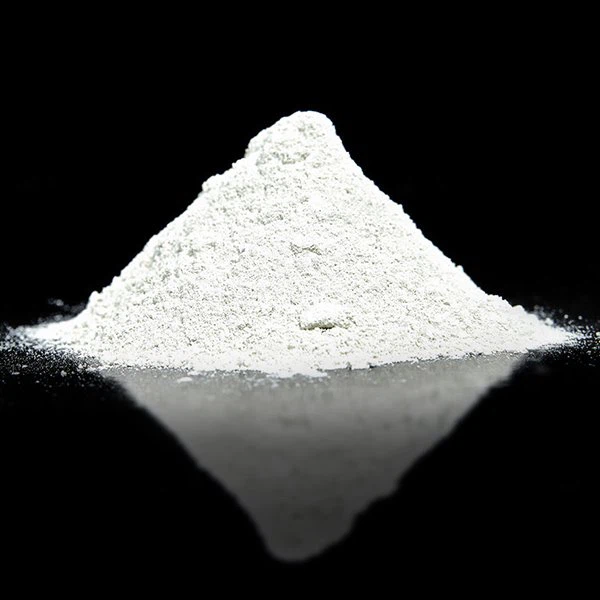

Understanding Aluminum Hydroxide in Medicine
Aluminum hydroxide is an inorganic compound that has unique chemical and physical properties, making it suitable for medical use. It is commonly used as an antacid, phosphate binder, and in some vaccines as an adjuvant.
As an antacid, aluminum hydroxide works by neutralizing excess stomach acid. When the stomach produces too much acid, it can lead to symptoms such as heartburn, indigestion, and acid reflux. Aluminum hydroxide reacts with hydrochloric acid in the stomach to form aluminum chloride and water, thereby reducing the acidity level.
As a phosphate binder, it helps patients with kidney problems. In patients with impaired kidney function, the body may have difficulty excreting phosphate, leading to high levels of phosphate in the blood. Aluminum hydroxide binds to phosphate in the gastrointestinal tract, preventing its absorption into the bloodstream and reducing the risk of complications associated with hyperphosphatemia.
Oral Administration
The most common way of administering aluminum hydroxide in medical treatment is orally. It is available in various forms, including tablets, capsules, and suspensions.
Tablets and Capsules
Tablets and capsules are convenient forms for patients to take aluminum hydroxide. They are easy to store, transport, and carry around. Patients can simply swallow the tablet or capsule with a glass of water. However, it is important to note that some patients may have difficulty swallowing large tablets or capsules. In such cases, they can consult their healthcare provider for alternative forms.
When taking aluminum hydroxide tablets or capsules, patients should follow the prescribed dosage. Overdosing can lead to side effects such as constipation, which is a common side effect of aluminum - containing antacids. This is because aluminum hydroxide can slow down the movement of the intestines. To counteract constipation, patients are often advised to increase their fluid and fiber intake.
Suspensions
Aluminum hydroxide suspensions are liquid forms of the compound. They are often preferred for patients who have difficulty swallowing tablets or capsules, such as children or the elderly. Suspensions are usually flavored to make them more palatable.
Before taking a suspension, patients should shake the bottle well to ensure that the aluminum hydroxide is evenly distributed in the liquid. The dosage of the suspension is usually measured using a special measuring spoon or cup provided with the product. This ensures accurate dosing. Suspensions are also absorbed relatively quickly in the stomach, which can provide faster relief from symptoms such as heartburn.
Parenteral Administration
Although less common than oral administration, parenteral administration of aluminum hydroxide is also possible in certain medical situations. Parenteral administration refers to the introduction of a substance into the body through a route other than the digestive tract, such as injection.
Intravenous (IV) Administration
In some rare cases, aluminum hydroxide may be administered intravenously. This is usually done in a hospital setting under the strict supervision of healthcare professionals. Intravenous administration is typically used when a rapid and precise delivery of the compound is required.
However, IV administration of aluminum hydroxide is not without risks. Aluminum can accumulate in the body over time, especially in patients with impaired kidney function. Prolonged exposure to high levels of aluminum in the bloodstream can lead to neurological problems, bone disorders, and other serious complications. Therefore, IV administration of aluminum hydroxide is only used when the benefits outweigh the risks, and the patient's condition is closely monitored.
Intramuscular (IM) Administration
Intramuscular administration involves injecting aluminum hydroxide into the muscle. This method is sometimes used in the context of vaccines. Aluminum hydroxide is used as an adjuvant in some vaccines to enhance the immune response. When a vaccine containing aluminum hydroxide is injected intramuscularly, the aluminum hydroxide helps to slow down the release of the antigen, allowing the immune system more time to recognize and respond to it.
This results in a stronger and more long - lasting immune response. However, like all injections, intramuscular administration of aluminum hydroxide - containing vaccines can cause local reactions at the injection site, such as pain, swelling, and redness. These reactions are usually mild and resolve on their own within a few days.
Factors Affecting Administration
Several factors need to be considered when administering aluminum hydroxide in medical treatment.
Patient's Age
The age of the patient plays a crucial role in determining the appropriate form and dosage of aluminum hydroxide. Children may require a different dosage than adults, and they may also have difficulty taking certain forms of the compound. For example, young children may not be able to swallow tablets or capsules, so suspensions are a more suitable option for them.
Patient's Health Condition
The patient's overall health condition, especially kidney function, is an important factor. As mentioned earlier, patients with impaired kidney function are at a higher risk of aluminum accumulation in the body. Therefore, their dosage of aluminum hydroxide needs to be carefully adjusted, and they may need more frequent monitoring of their aluminum levels.
Other Medications
Aluminum hydroxide can interact with other medications. For example, it can reduce the absorption of certain antibiotics, such as tetracyclines and fluoroquinolones. Therefore, patients should inform their healthcare provider about all the medications they are taking to avoid potential drug interactions.
Our Aluminum Hydroxide Products
As a supplier of aluminum hydroxide, we offer a wide range of high - quality products. Our Aluminum Hydroxide Powder is finely ground and has excellent purity, making it suitable for various medical applications. It can be easily formulated into tablets, capsules, or suspensions.
Our High Purity Aluminum Hydroxide is produced using advanced manufacturing processes to ensure the highest level of purity. This is especially important for medical applications where the quality of the compound can directly affect the patient's health.
We also provide Highly Customized Surface Treatment Of Micro Powder Aluminum Hydroxide. This product is designed to meet the specific needs of different customers. The customized surface treatment can improve the dispersion and compatibility of the aluminum hydroxide in various formulations.
Conclusion
Aluminum hydroxide is a valuable compound in medical treatment, with different administration methods available depending on the patient's condition and needs. Oral administration is the most common way, but parenteral administration may be used in specific situations. When using aluminum hydroxide, it is important to consider factors such as the patient's age, health condition, and other medications to ensure safe and effective treatment.
If you are interested in our high - quality aluminum hydroxide products for medical applications, we invite you to contact us for further information and to discuss your specific requirements. We are committed to providing the best products and services to meet your needs.
References
- Goodman & Gilman's The Pharmacological Basis of Therapeutics.
- Harrison's Principles of Internal Medicine.
- British National Formulary.