

What is the recommended dosage of Liquid Aluminum Sulfate in concrete?
Jan 22, 2026
Liquid aluminum sulfate, a versatile chemical compound, has found its way into various industrial applications, including the construction industry. In concrete production, it serves multiple purposes, such as accelerating the setting time, improving the strength of the concrete, and enhancing its resistance to certain environmental factors. As a leading supplier of liquid aluminum sulfate, we often receive inquiries about the recommended dosage in concrete. In this blog post, we will delve into this topic, providing you with scientific insights and practical guidelines.
Understanding the Role of Liquid Aluminum Sulfate in Concrete
Before discussing the dosage, it's essential to understand how liquid aluminum sulfate interacts with concrete. When added to the concrete mix, aluminum sulfate reacts with the calcium hydroxide present in the cement paste. This reaction forms calcium sulfoaluminate hydrates, which contribute to the early strength development of the concrete. Additionally, it can help in reducing the bleeding and segregation of the concrete, leading to a more homogeneous and durable final product.
Another significant benefit of using liquid aluminum sulfate in concrete is its ability to act as a water - reducing agent. By reducing the water content required for a given workability, it can increase the compressive strength of the concrete. Moreover, it can improve the resistance of the concrete to sulfate attack, which is particularly important in areas with high sulfate content in the soil or groundwater.
Factors Affecting the Recommended Dosage
The recommended dosage of liquid aluminum sulfate in concrete is not a one - size - fits - all value. Several factors influence the appropriate amount to be used:
1. Type of Cement
Different types of cement have varying chemical compositions and reactivity. For example, Portland cement, which is the most commonly used cement in concrete production, may require a different dosage of aluminum sulfate compared to blended cements. Blended cements, such as those containing fly ash or slag, have different hydration characteristics, and the presence of these supplementary cementitious materials can affect the reaction between aluminum sulfate and the cement paste.
2. Desired Properties of the Concrete
The intended use of the concrete plays a crucial role in determining the dosage of aluminum sulfate. If the concrete is required to have a very fast setting time, such as in emergency repair work, a higher dosage may be necessary. On the other hand, if the focus is on long - term strength development and durability, a lower dosage might be more appropriate to avoid any potential negative effects on the concrete's microstructure.
3. Environmental Conditions
The temperature and humidity at the construction site can also impact the dosage. In hot and dry conditions, the concrete may set more quickly, and a lower dosage of aluminum sulfate may be sufficient. Conversely, in cold and wet conditions, a higher dosage may be needed to achieve the desired setting time and strength development.
4. Aggregate Characteristics
The type, size, and gradation of the aggregates used in the concrete mix can affect the performance of aluminum sulfate. Aggregates with a high absorption rate may require more aluminum sulfate to achieve the same effect as those with low absorption.
General Guidelines for Dosage
Based on extensive research and practical experience, the following general guidelines can be used as a starting point for determining the dosage of liquid aluminum sulfate in concrete:
1. Dosage Range
Typically, the dosage of liquid aluminum sulfate in concrete ranges from 0.5% to 2% by weight of the cement. For most common applications, a dosage of around 1% is often sufficient to achieve the desired effects on setting time, strength, and durability.
2. Initial Testing
Before using liquid aluminum sulfate in a large - scale concrete project, it is highly recommended to conduct small - scale tests. Prepare several concrete samples with different dosages of aluminum sulfate within the recommended range. Monitor the setting time, workability, and compressive strength of these samples over time. This will help you determine the optimal dosage for your specific project.
3. Adjustment Based on Results
After the initial testing, if the results do not meet the desired requirements, the dosage can be adjusted accordingly. If the concrete is setting too slowly, a slightly higher dosage can be tried. Conversely, if the setting is too fast or there are signs of reduced workability, the dosage should be decreased.
Specific Applications and Dosage Recommendations
1. Rapid - Setting Concrete
In applications where a rapid setting time is required, such as in the construction of pavements or emergency repairs, a dosage of 1.5% - 2% by weight of the cement may be appropriate. This higher dosage will accelerate the formation of calcium sulfoaluminate hydrates, leading to a faster setting and early strength gain.
2. Normal - Strength Concrete
For normal - strength concrete used in general construction projects, a dosage of 0.5% - 1% by weight of the cement is usually sufficient. This will provide a moderate improvement in setting time and strength without significantly affecting the workability of the concrete.

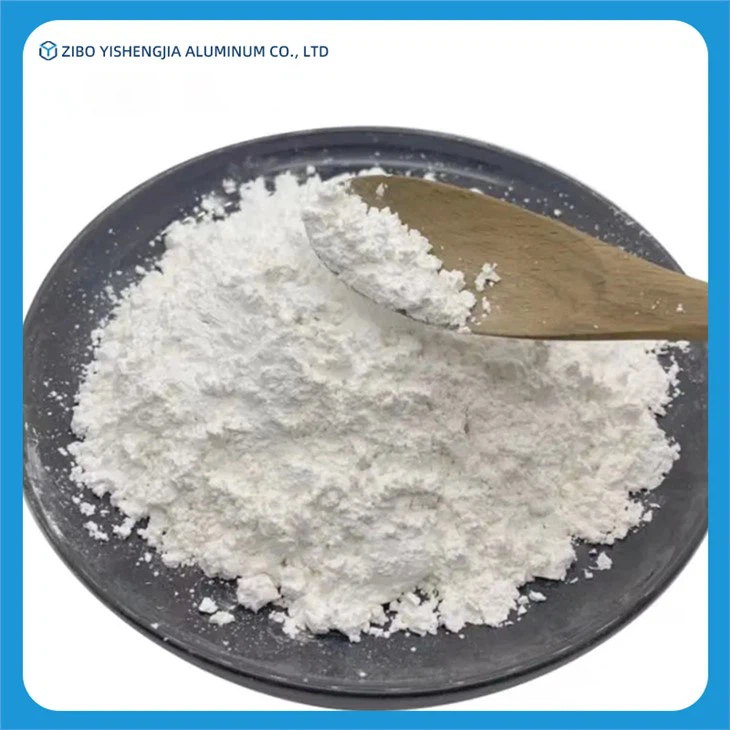
3. High - Performance Concrete
In high - performance concrete, where high strength, durability, and resistance to environmental factors are crucial, a dosage of around 1% can be used. This will help in optimizing the microstructure of the concrete and enhancing its long - term performance.
Our Product Offerings
As a reliable supplier of liquid aluminum sulfate, we offer a range of high - quality products to meet your specific needs. Our High White Aluminum Sulfate is known for its purity and consistent performance. It is suitable for applications where a high - quality product is required, such as in the production of decorative concrete.
Our Flake Aluminum Sulfate is another popular option. It is easy to handle and dissolve, making it convenient for use in concrete production.
In addition, our Aluminum Sulfate For Wastewater Treatment can also be used in concrete applications, especially in cases where water treatment is a concern.
Contact Us for More Information
If you have any further questions about the recommended dosage of liquid aluminum sulfate in concrete or would like to discuss your specific project requirements, we invite you to contact us. Our team of experts is ready to provide you with personalized advice and support. We can also assist you in determining the most suitable product and dosage for your application. Whether you are a contractor, engineer, or concrete producer, we are committed to helping you achieve the best results in your projects.
References
- Neville, A. M. (2011). Properties of Concrete. Pearson Education.
- Mehta, P. K., & Monteiro, P. J. M. (2014). Concrete: Microstructure, Properties, and Materials. McGraw - Hill Education.
- ACI Committee 211. (2014). Standard Practice for Selecting Proportions for Normal, Heavyweight, and Mass Concrete. American Concrete Institute.