

What pollutants in flue gas can Activated Alumina remove?
Jan 21, 2026
Hey there! As an activated alumina supplier, I often get asked about what pollutants in flue gas this amazing material can remove. So, I thought I'd sit down and write this blog to share all the deets with you.
First off, let's talk a bit about activated alumina. It's a highly porous form of aluminum oxide, and it's got a huge surface area. This makes it super effective at adsorbing all sorts of stuff. When it comes to flue gas, there are several key pollutants that activated alumina can take care of.
One of the big ones is sulfur dioxide (SO₂). Sulfur dioxide is a major air pollutant that's released when fossil fuels like coal and oil are burned. It can cause all sorts of problems, like acid rain and respiratory issues. Activated alumina can adsorb sulfur dioxide through a chemical reaction. The porous structure of the activated alumina provides plenty of sites for the SO₂ molecules to stick to. Once the SO₂ is adsorbed, it can be removed from the flue gas stream, reducing the amount of this harmful pollutant that gets released into the atmosphere.
Another pollutant that activated alumina can handle is hydrogen sulfide (H₂S). Hydrogen sulfide is a smelly and toxic gas that can be present in flue gas, especially from industrial processes like oil refining and natural gas processing. Activated alumina can adsorb H₂S in a similar way to SO₂. The surface of the activated alumina reacts with the H₂S molecules, trapping them and preventing them from being released into the air. This not only helps to reduce the odor associated with H₂S but also protects the environment and human health.
Nitrogen oxides (NOₓ) are also a concern when it comes to flue gas. These pollutants are formed during high-temperature combustion processes and can contribute to the formation of smog and acid rain. Activated alumina can play a role in removing NOₓ from flue gas. While it may not be as effective as some specialized NOₓ removal technologies, it can still adsorb a certain amount of these pollutants. The porous nature of activated alumina allows it to capture NOₓ molecules, reducing their concentration in the flue gas.
In addition to these major pollutants, activated alumina can also remove other contaminants from flue gas. For example, it can adsorb heavy metals like mercury (Hg). Mercury is a highly toxic metal that can have serious health effects on humans and wildlife. When coal is burned, mercury is released into the flue gas. Activated alumina can adsorb mercury, preventing it from being released into the environment.
So, how does activated alumina actually work to remove these pollutants? Well, it all comes down to its unique structure. The porous surface of activated alumina provides a large number of adsorption sites. These sites can attract and hold onto the pollutant molecules through physical and chemical interactions. The size and shape of the pores in the activated alumina are carefully controlled during the manufacturing process to ensure that they are the right size to capture the specific pollutants of interest.
As an activated alumina supplier, we offer a range of products that are designed for different applications. For example, if you're looking to remove sulfur dioxide from flue gas, we have a specific grade of activated alumina that is optimized for this purpose. Our products are made using high-quality raw materials and advanced manufacturing processes to ensure their effectiveness and reliability.
Now, let's talk about some of the other products we offer that are related to activated alumina. We also supply Metal Surface Treatment: Liquid Ironfree Aluminum Sulfate. This product is used in metal surface treatment processes to improve the quality and durability of metal surfaces. It can help to remove impurities and create a smooth, clean surface for further processing.
Another product we have is Calcined Alumina Powder For Ceramics And Refractories. This powder is used in the production of ceramics and refractories. It has high purity and excellent thermal properties, making it ideal for these applications.

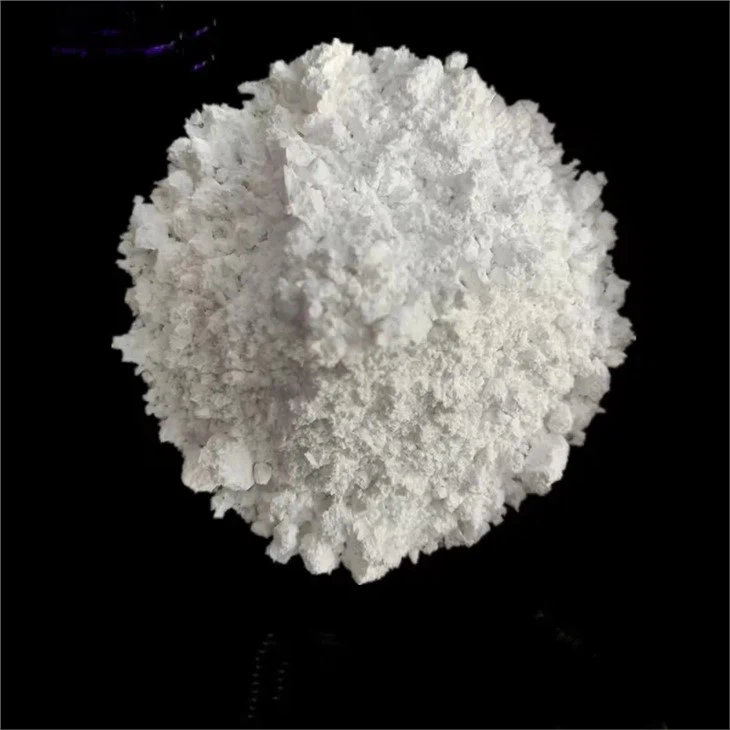
We also offer Calcined Alumina for Polishing. This product is used in the polishing industry to achieve a high-quality finish on various materials. It has a fine particle size and good abrasion resistance, making it perfect for polishing applications.
If you're in the market for activated alumina or any of our other products, I encourage you to get in touch with us. We have a team of experts who can help you choose the right product for your specific needs. Whether you're looking to remove pollutants from flue gas, treat metal surfaces, or produce ceramics and refractories, we've got you covered.
In conclusion, activated alumina is a versatile and effective material for removing pollutants from flue gas. It can adsorb sulfur dioxide, hydrogen sulfide, nitrogen oxides, heavy metals, and other contaminants. As an activated alumina supplier, we're committed to providing high-quality products and excellent customer service. So, if you're interested in learning more about our products or have any questions, don't hesitate to contact us. Let's work together to make the environment a cleaner and healthier place.
References
- "Air Pollution Control: A Design Approach" by David W. Cooper and F. C. Alley
- "Environmental Chemistry" by Stanley E. Manahan