

How does Aluminum Sulfate affect soil pH?
Jan 02, 2026
How does Aluminum Sulfate affect soil pH?
As a supplier specializing in aluminum sulfate products, I've witnessed firsthand the interest and curiosity surrounding how aluminum sulfate affects soil pH. This topic isn't just academic; it has real - world implications for gardeners, farmers, and anyone involved in soil management.
Aluminum sulfate, with the chemical formula Al₂(SO₄)₃, is a common compound used in various industries. In the realm of soil management, its most well - known function is its ability to alter soil pH. To understand how this works, we need to delve into some basic soil chemistry.
Soil pH is a measure of the acidity or alkalinity of the soil, rated on a scale from 0 to 14. A pH of 7 is considered neutral, values below 7 indicate acidic soil, and values above 7 suggest alkaline soil. Different plants thrive in different pH ranges. For example, blueberries, azaleas, and rhododendrons prefer acidic soil, while asparagus and lilacs do better in more alkaline conditions.
When aluminum sulfate is added to the soil, a series of chemical reactions occur. In the presence of water, aluminum sulfate dissociates into aluminum ions (Al³⁺) and sulfate ions (SO₄²⁻). The aluminum ions then react with water molecules in the soil. This reaction is called hydrolysis. During hydrolysis, the aluminum ions react with water to form aluminum hydroxide and release hydrogen ions (H⁺). The increase in hydrogen ions in the soil solution results in a decrease in soil pH, making the soil more acidic.
Al₂(SO₄)₃ + 6H₂O ⇌ 2Al(OH)₃ + 3H₂SO₄
The sulfuric acid (H₂SO₄) produced further dissociates in water, releasing more hydrogen ions, which contribute to the acidification of the soil.
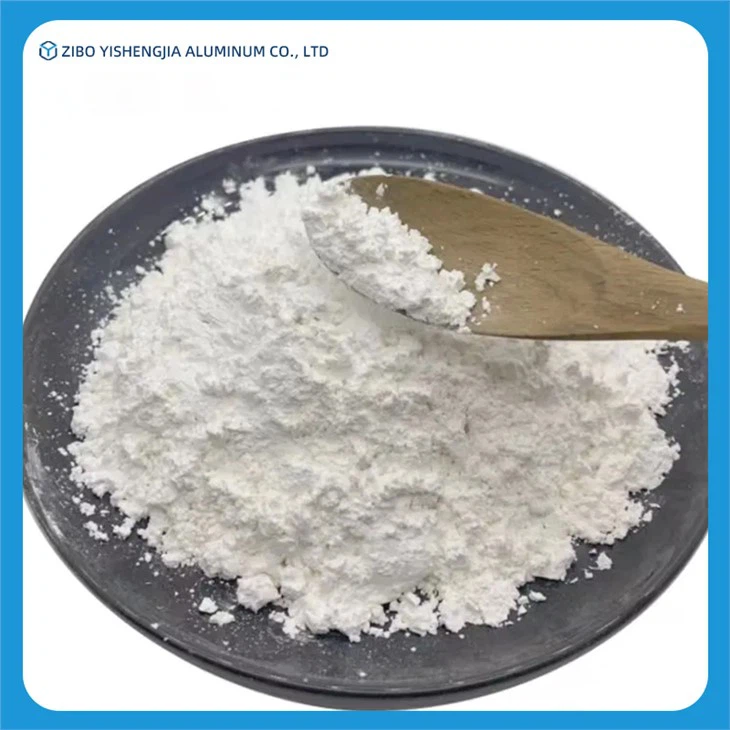

The effectiveness of aluminum sulfate in lowering soil pH depends on several factors. Firstly, the initial pH of the soil plays a crucial role. If the soil is highly alkaline, a larger amount of aluminum sulfate will be required to achieve the desired pH change compared to slightly alkaline soil. Soil texture also matters. Sandy soils generally react more quickly to the addition of aluminum sulfate because they have less buffering capacity. Buffering capacity refers to the soil's ability to resist changes in pH. Clayey soils and soils rich in organic matter have a higher buffering capacity, and thus, it may take more aluminum sulfate and a longer time to change the pH.
Another important factor is the application rate. Applying too much aluminum sulfate can lead to over - acidification of the soil, which can be harmful to plants. Excessive acidity can cause nutrient imbalances in the soil. For example, at very low pH levels, aluminum can become more soluble and reach toxic levels for plants. This can inhibit root growth, reduce nutrient uptake, and ultimately lead to poor plant health.
For gardeners and farmers looking to use aluminum sulfate to adjust soil pH, it's essential to test the soil first. A soil test will provide accurate information about the existing pH level and the nutrient content of the soil. Based on the test results, the appropriate amount of aluminum sulfate can be calculated. As a general guideline, for a small garden bed, you may start with applying about 1 - 2 pounds of aluminum sulfate per 100 square feet of soil if the goal is a moderate reduction in pH. For larger agricultural fields, it's advisable to consult a soil expert or an agricultural extension service for more precise application rates.
In addition to its use in soil acidification, aluminum sulfate has other applications that might be of interest. For wastewater treatment, aluminum sulfate is widely used as a coagulant. When added to wastewater, it helps to aggregate suspended particles, making them easier to remove. You can find more information about our Aluminum Sulfate For Wastewater Treatment on our website.
We also offer different forms of aluminum sulfate, such as Flaky Aluminum Sulfate. Flaky aluminum sulfate is often preferred for its ease of handling and storage. It dissolves quickly in water, making it suitable for various applications, including soil treatment.
Moreover, our High White Aluminum Sulfate has high purity and is ideal for applications where high - quality products are required. This product is commonly used in industries such as paper making, water treatment, and cosmetics, as well as in soil management when a pure form of aluminum sulfate is needed.
Adjusting soil pH with aluminum sulfate can be a delicate process, but when done correctly, it can have significant benefits for plant growth. By understanding the science behind how aluminum sulfate affects soil pH and considering all the relevant factors, you can make informed decisions about its use in your garden or farm.
If you're interested in purchasing aluminum sulfate for soil pH adjustment or other applications, we're here to help. Our team of experts can provide you with detailed advice on product selection, application rates, and best practices. Contact us today to start a discussion about your specific needs.
References
- Brady, N. C., & Weil, R. R. (2008). The Nature and Properties of Soils. Prentice Hall.
- Soils: An Introduction by Ray R. Weil and Nyle C. Brady.
- Agricultural Chemicals: Reference Manual by Nicki S. Ruth, et al.